
Asphalt Paving in Sarasota, FL
New driveways, parking lots and resurfacing across Siesta Key, Sarasota and Sarasota County, built on a base prepared for Florida ground.
What Do We Pave?
Asphalt Repair
Crack sealing, potholes and patching, rebuilt from the base so repairs hold.
Residential Driveways
New driveways, extensions and full replacement. Graded so water runs off, with edges finished properly rather than left to crumble.
Parking Lots
Condo associations, resorts, restaurants and commercial properties. Scheduled around your hours so the business stays open.
Resurfacing
If the base is still sound, a new surface layer costs less than a rebuild and buys many more years. Once it has cured, seal coating keeps it that way. We will tell you which one you are actually looking at.
Repair and Patching
Potholes, failed patches, soft spots and cracked areas cut out and rebuilt from the base rather than skimmed over.
Why Does the Base Matter So Much in Florida?
The part of a driveway you never see is the part that decides how long it lasts, and in Sarasota that matters more than in most of the country.
Florida subgrade is largely sand. It drains fast, which sounds good, but it also shifts and consolidates under load in a way that northern stone base does not. Add a high water table and the drenching rain that arrives most afternoons from June onward, and a surface laid on an unprepared base will move, dish and crack within a few seasons no matter how good the asphalt on top of it is.
So we grade the area, build and compact the base for what is actually underneath it, and set the fall so water leaves the surface rather than sitting on it or soaking beneath it. Only then does asphalt go down.
- Grading and compaction matched to sandy subgrade, not a northern spec.
- Drainage set first, because standing water is what destroys asphalt here.
- Edges finished, so the perimeter does not ravel away under traffic.
- Root management where palms and live oaks sit close to the surface.
- Hot mix laid and compacted while it is at the right temperature.
- Clean site at the end, with the work explained before we leave.
Not every property wants blacktop. For a looser, cooler coastal surface, see our crushed shell and gravel driveways.
How Does the Paving Process Work?
- Free on-site estimate. We measure, check the existing base and see where water goes.
- Excavation and grading. Old surface removed where needed, area cut to depth and shaped.
- Base construction. Base material placed and compacted, drainage fall set.
- Paving. Hot mix asphalt laid and rolled to a smooth, sealed finish.
- Walkthrough and cure guidance. We explain what to avoid while the surface hardens.
When Is the Best Time to Pave on the Gulf Coast?
Sarasota has no frost window, so the calendar works differently than up north. What governs scheduling here is rain and heat.
October to May
The prime window. Dry, warm and predictable. Paving, seal coating and striping all run without weather delays.
June to September
Storm season. We work mornings and watch the radar. Paving is scheduled around the forecast, repairs carry on regardless.
After a storm
Flooding and debris do real damage, and edge washouts are common. Worth an inspection before small damage becomes base failure.
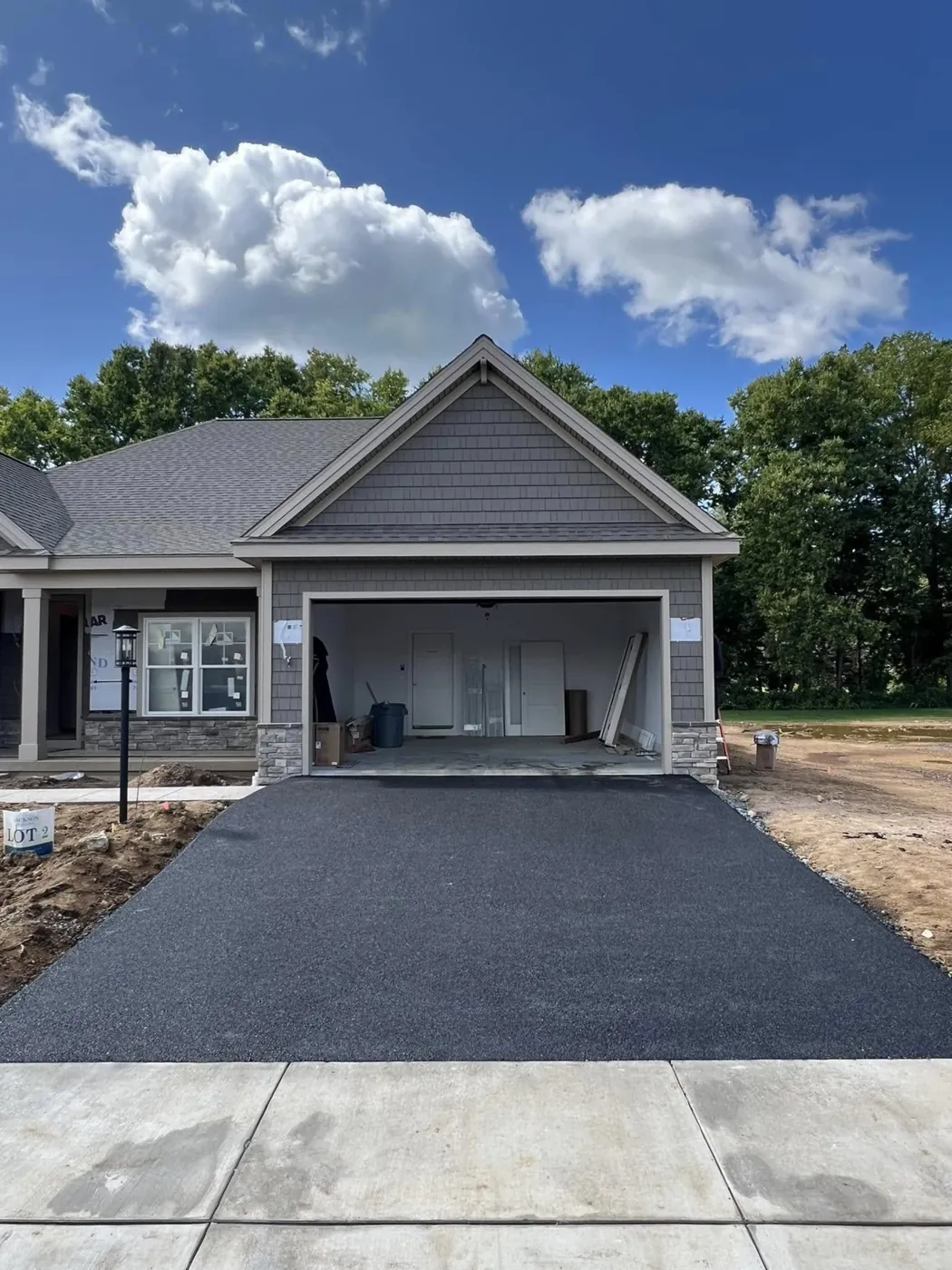
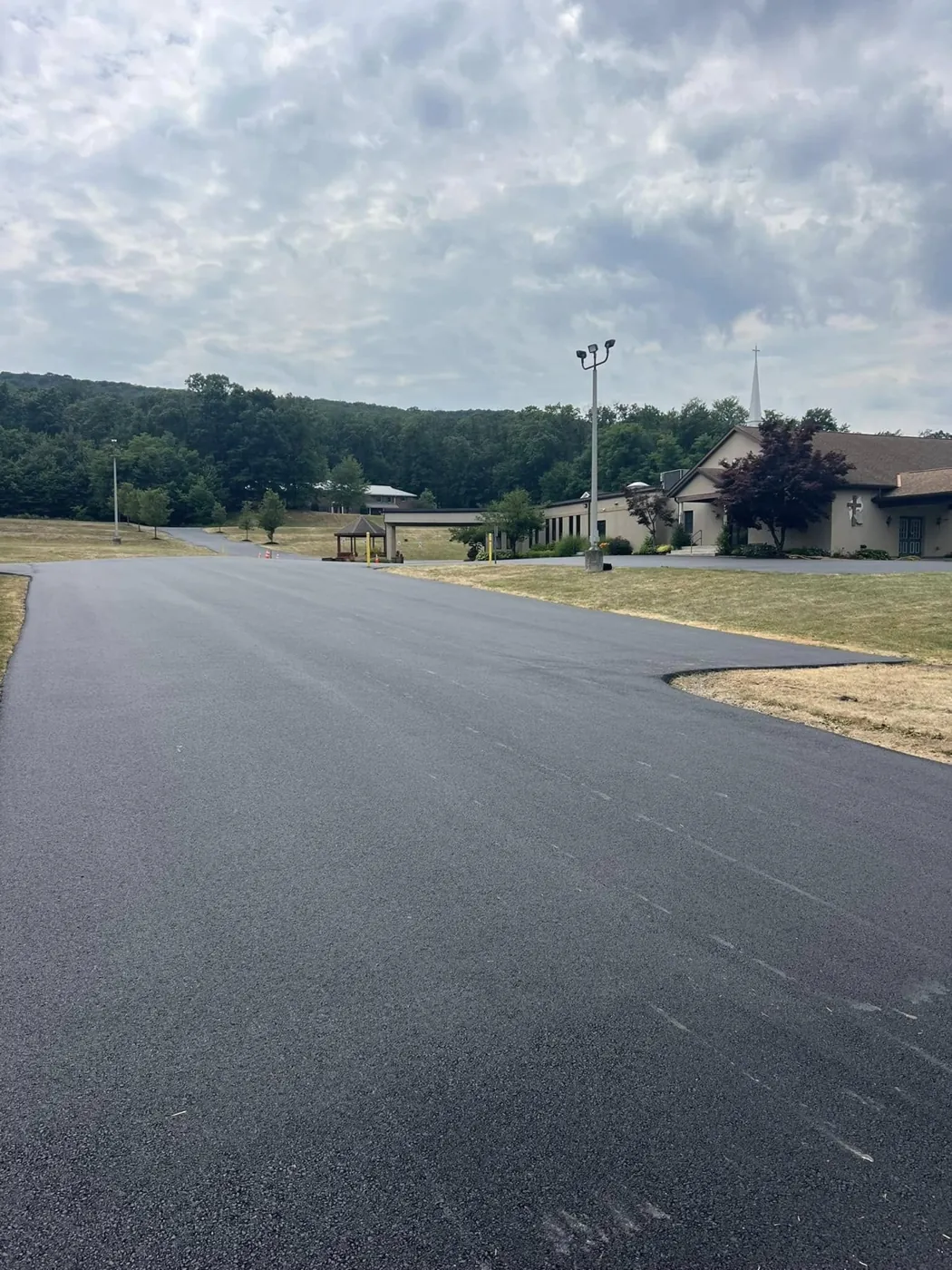
Recent Paving Work
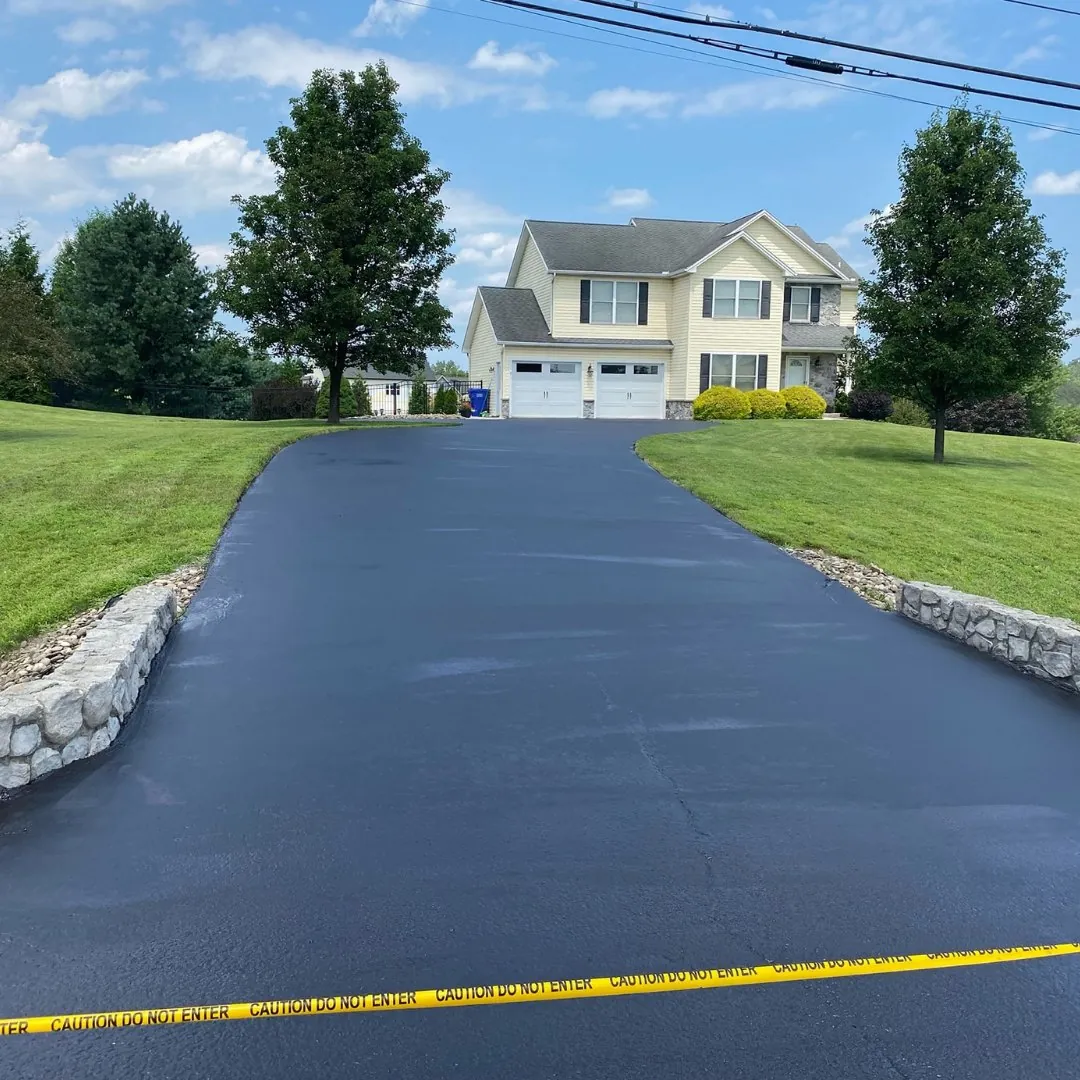
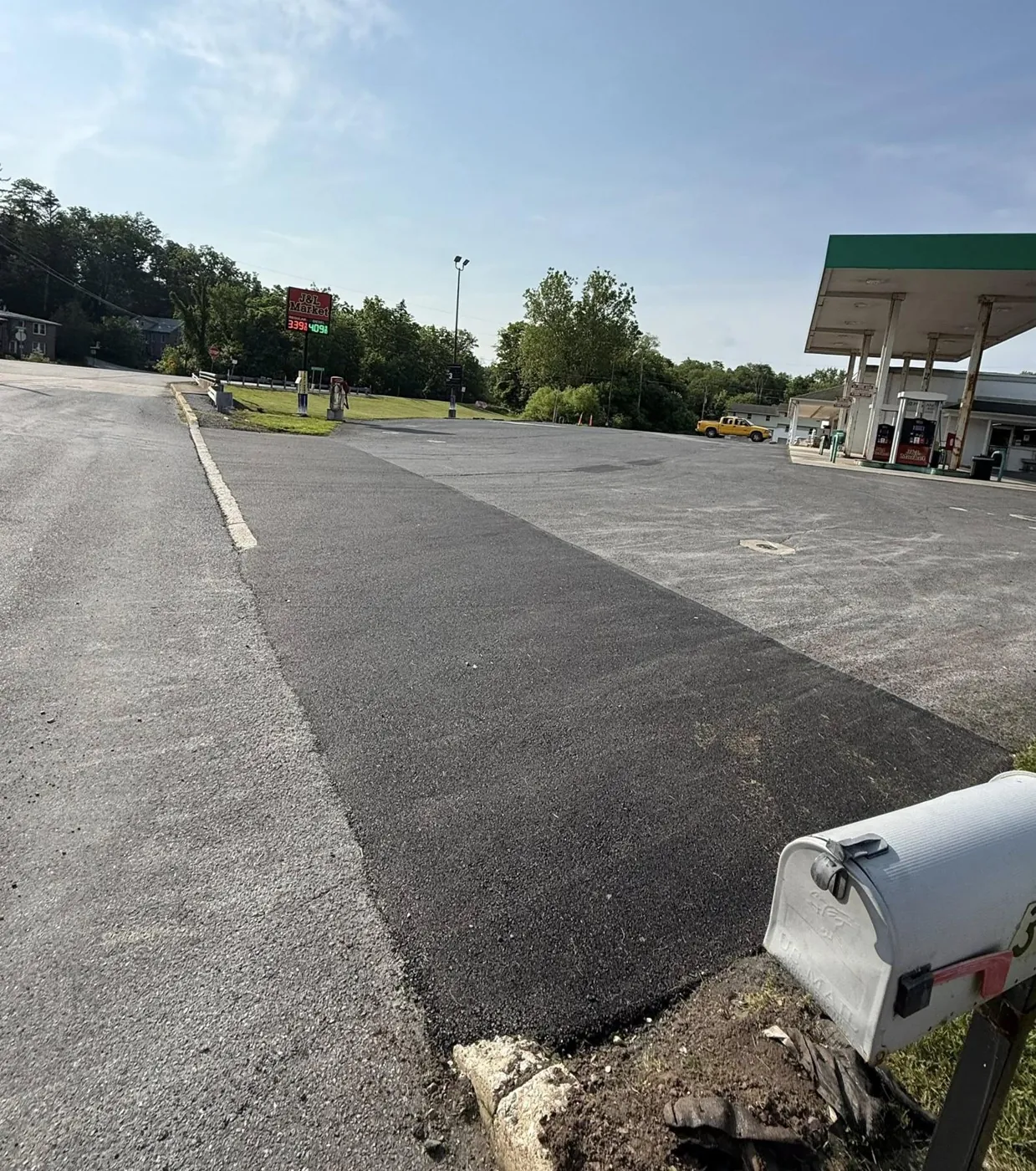
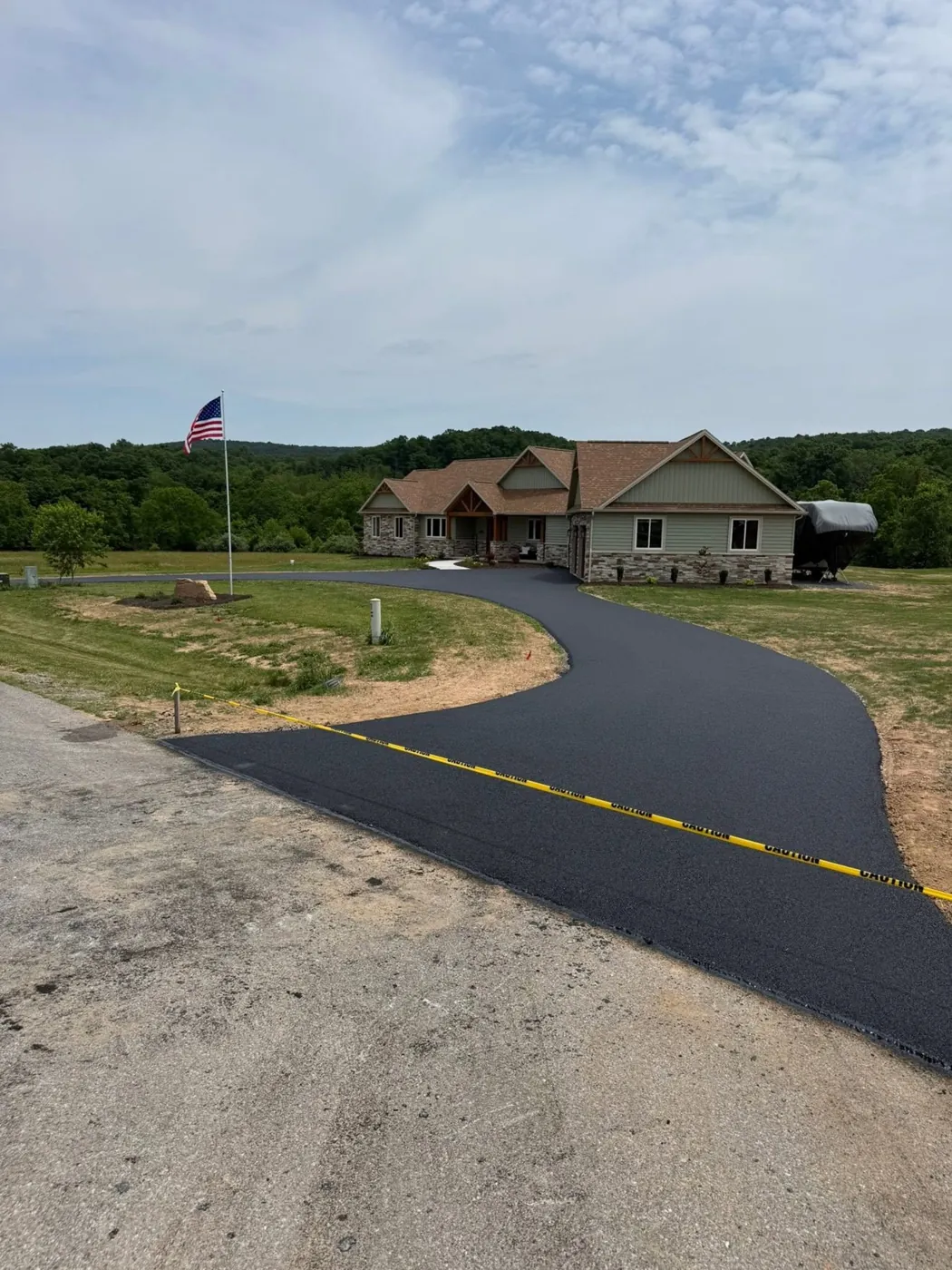
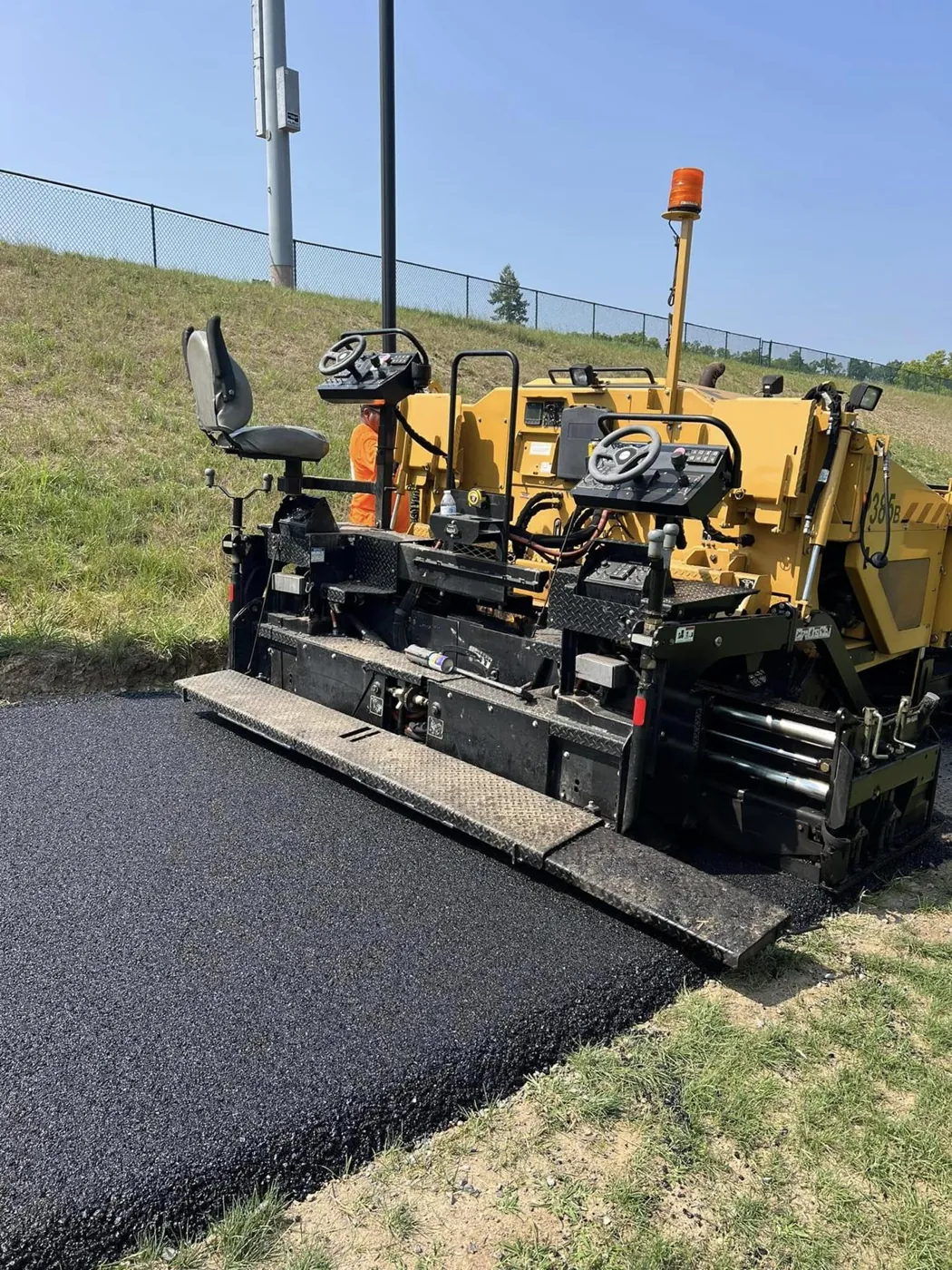
Asphalt Paving FAQ
How long does a new asphalt driveway take?
Most residential driveways are done in one to two days depending on size, how much excavation is needed and the condition of the base. Larger commercial lots are phased so part of the lot stays usable.
How long before I can drive on it?
Foot traffic after about 24 hours, a passenger car after 48 to 72 hours, and heavy vehicles after at least two weeks. Florida heat keeps new asphalt soft longer than most people expect, so avoid turning parked wheels in place and keep sharp points such as jack stands and kickstands off it for the first month.
Should I resurface or fully replace?
If the base is sound and the damage is limited to the surface, resurfacing works and costs less than a rebuild. If the surface is cracked throughout, sinking in places, or patches keep failing in the same spots, the base has gone and it needs to come out. We tell you which one you are looking at rather than defaulting to the bigger job.
How thick should an asphalt driveway be in Florida?
A residential driveway is typically laid at two to three inches of compacted asphalt over a properly prepared base, with commercial lots going thicker for heavier traffic. The base depth matters at least as much as the asphalt depth, and on sandy subgrade it often matters more.
Can you pave in the rainy season?
Yes, with scheduling. Asphalt needs a dry base and a dry surface to bond, so from June through September we work around the forecast, generally in the morning before the afternoon storms build.
Do you pave over an existing driveway?
Sometimes, and only when it is the right call. Overlaying a failed base just moves the problem up an inch and the cracks come back through. If the existing surface is sound and at the right level, an overlay is a good option.
Do you work on Siesta Key itself?
Yes. Siesta Key driveways, condo and resort lots, and the access roads and service areas that come with them.
Get a Free Paving Estimate
We will come out, measure, look at the base and drainage, and explain what the surface actually needs.
- Hours: Monday to Saturday, 7:00am to 7:00pm
- Serving: Siesta Key, Sarasota and Sarasota County
- Insured: Fully insured for residential and commercial work
- Response time: We answer every quote request within one business day.